Things to Do in St. John: The Quiet Virgin Island

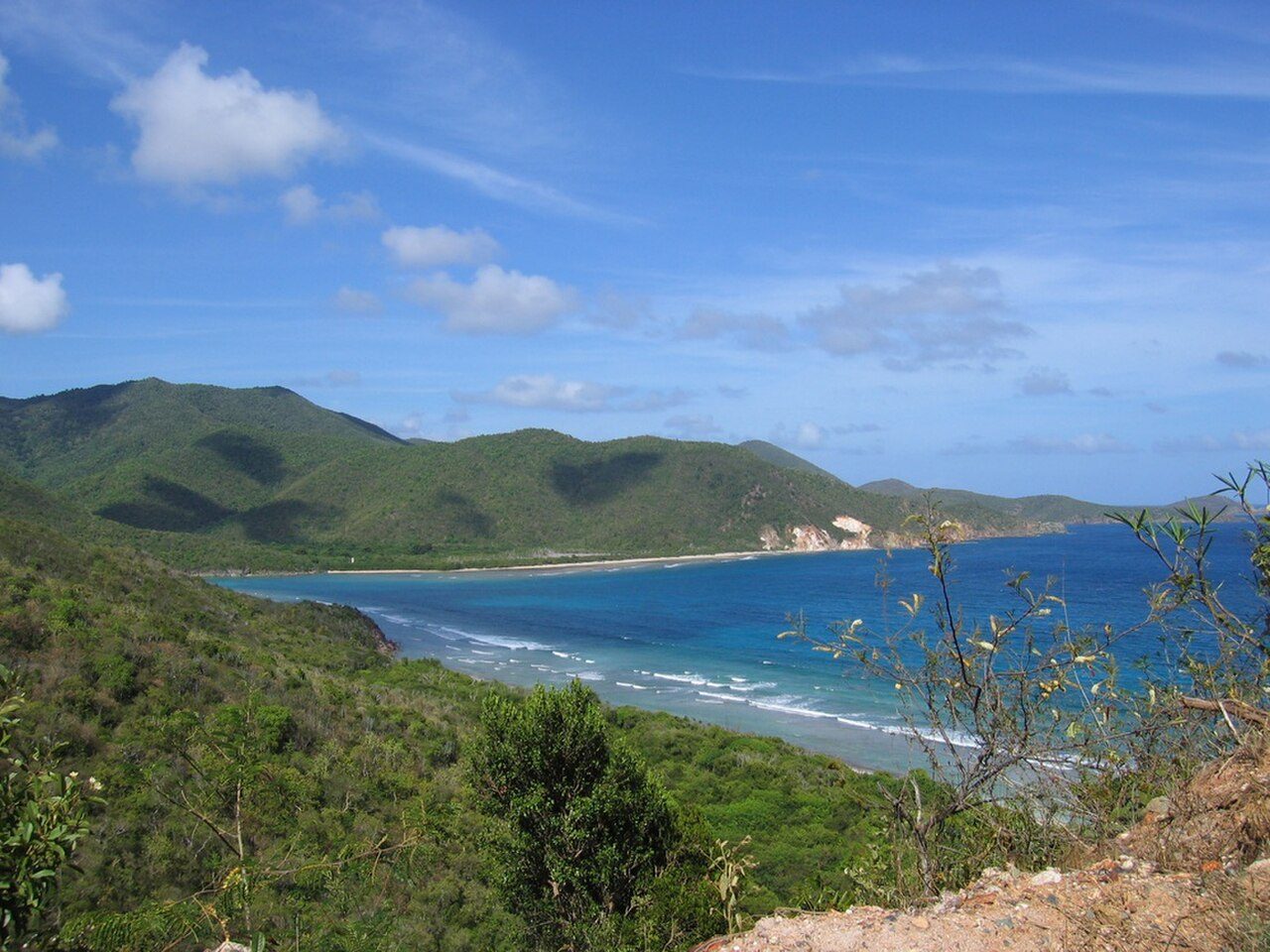
St. John is the Virgin Island that opted out. Two-thirds of it is Virgin Islands National Park, there is no airport and no cruise pier, and the entire island runs at the speed of the 20-minute ferry that brings you in.
If St. Thomas is the Caribbean turned up, St. John is the same sea with the volume down. Here is what to actually do there, whether you come for a day or a week.
The wider territory is covered in our US Virgin Islands guide.
1. Snorkel the Trunk Bay underwater trail
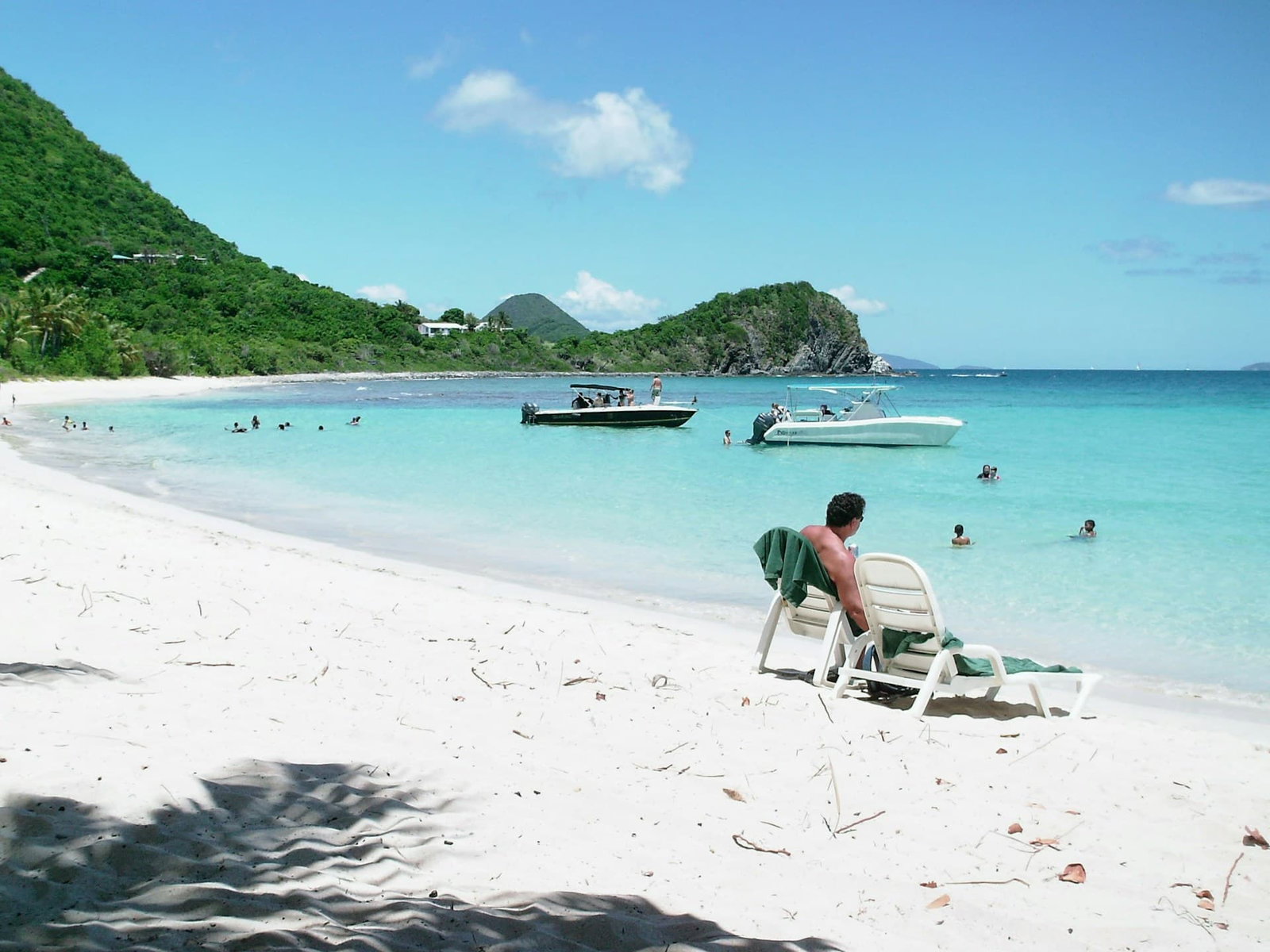
Trunk Bay is the National Park's showpiece: blinding sand, a photogenic cay just offshore, and a marked underwater snorkel trail with plaques along the reef. It featured in our best beaches in the Caribbean for good reason.
A few practical details:
- There is a per-adult day fee (a few dollars, paid at the entrance or via the park's system) plus lifeguards, rentals, and facilities: rare comforts for a park beach.
- Cruise-excursion crowds arrive late morning. Be in the water by 9am and it is a different beach.
- The trail suits beginners; confident snorkellers will find better coral at Waterlemon Cay below.
2. Beach-hop the North Shore Road
Hawksnest, Cinnamon, and Maho line up along one ridiculous stretch of coast road, each with its own character:
- Hawksnest: closest to Cruz Bay, locals' quick swim, lovely under sea-grape shade.
- Cinnamon Bay: the longest beach on the island, with the park campground and watersports behind it.
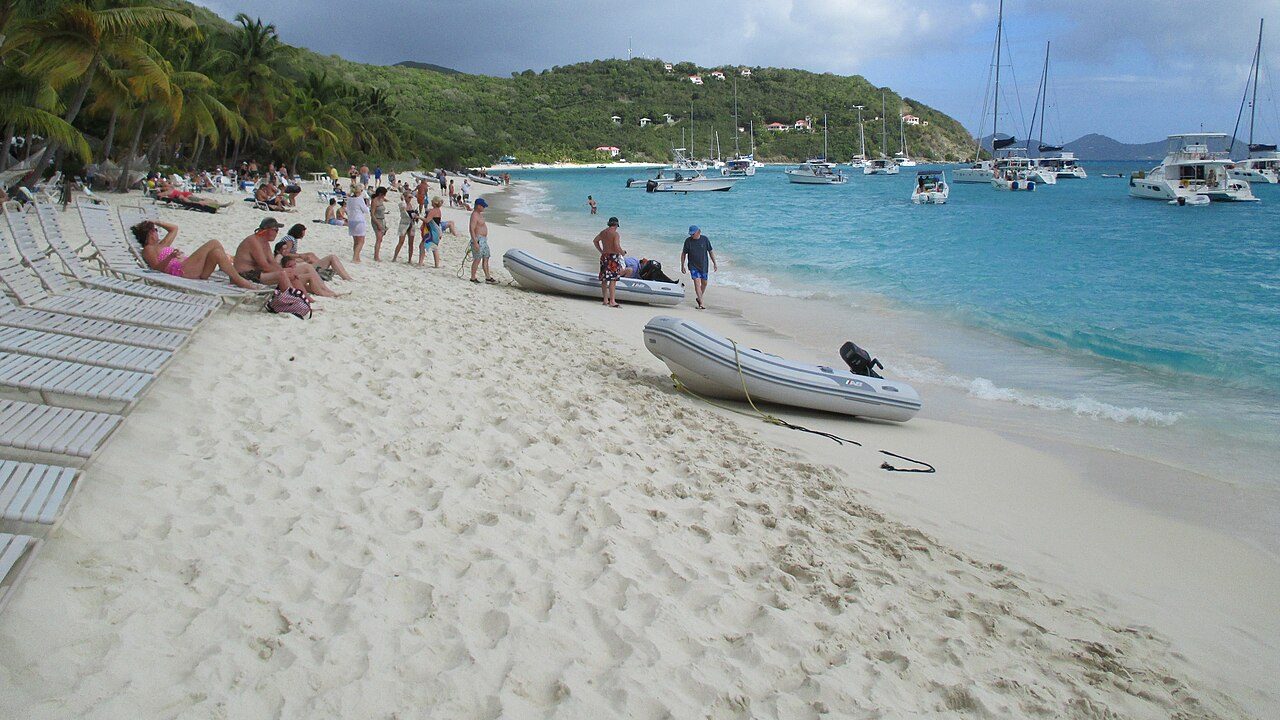
- Maho Bay: the turtle one. Seagrass shallows mean almost guaranteed green turtles, plus the occasional ray. Swim slowly, keep two arm-lengths back.
3. Snorkel Waterlemon Cay
At the end of the Leinster Bay trail (a flat 20-minute walk from the Annaberg car park), Waterlemon Cay is the island's best snorkel: starfish in the shallows, healthy coral around the cay, turtles and rays in between. Current wraps the cay's outer side, so circle it with respect or stay inshore.
4. Read the ruins at Annaberg
The Annaberg sugar plantation ruins are the park's most complete historic site, with interpretive panels that tell the island's plantation and emancipation history plainly. The windmill viewpoint over the Sir Francis Drake Channel to Tortola is worth the stop alone. Combine with Waterlemon: they share a trailhead.
5. Hike the Reef Bay Trail
The island's signature hike drops through forest past petroglyphs and ruined mills to a wild south-shore beach. It is about three miles down (and, crucially, back up): start early, carry serious water, and check whether the park's guided version with a boat pick-up is running, which turns it into one of the best half-days in the territory.
6. Do Cruz Bay properly
The little ferry town is the island's entire "urban" offering: open-air bars, food trucks, the Mongoose Junction shops, and the park visitor centre (start there for trail and beach conditions). It is at its best at sunset with a painkiller cocktail in hand, watching the ferries come and go.
7. Charter a small boat day
With no marina sprawl, St. John's boat scene is small captained day-charters out of Cruz Bay: snorkel spots you cannot walk to, a lunch stop, maybe a swing past Jost Van Dyke (passports required for that hop, it is another country). Split between a group, it is the island's best splurge.
8. Earn the East End's quiet
Beyond Coral Bay, the East End is the island before tourism: saltponds, goats, a couple of legendary lunch shacks, and coves like Hansen Bay where the water is glass and the crowd is a pelican. The drive is slow and winding, which is exactly why it stays quiet.
Getting there and around
- Ferries run Red Hook (St. Thomas) to Cruz Bay in about 20 minutes, roughly hourly through the day, with a longer Charlotte Amalie route on some schedules. No booking needed for foot passengers.
- On-island, hire a 4x4 taxi-jeep or rental: the hills are genuinely steep and driving is on the left. Open-air taxis cover the north-shore beaches on a fixed route.
- Day-trippers: last ferries back are early evening. Check the day's schedule before your final beach.
- US citizens need no passport (US territory); international visitors are already inside US entry by the time they board the ferry.
Frequently asked questions
What is St. John known for?
Virgin Islands National Park: two-thirds of the island is protected land wrapped in reef, which is why the beaches and trails feel wild in a way the rest of the region rarely does.
Can you do St. John as a day trip?
Easily, from St. Thomas: early ferry, Trunk Bay or Maho morning, Cruz Bay lunch, Annaberg or a second beach, evening boat back. It will also convince you to stay longer next time; our St John island page covers the practicalities.
Which St. John beach is best?
Trunk Bay for the classic photograph, Maho for turtles, Waterlemon for snorkelling. On a one-day visit, Trunk plus Maho is the honest answer.
Is St. John expensive?
Stays cost more per night than St. Thomas because supply is tiny: villas and a couple of resorts rather than hotel rows. The beaches, trails, and ruins, the actual point of the island, are free or a few dollars.
St. John is the strongest single argument in our best Caribbean islands case for the USVI. Pair it with the busy neighbour via our St. Thomas list, then tell Atlas your dates and it will sort flights and a stay on whichever island you make the base. The full territory guide is at US Virgin Islands.