15 Things to Do in Saint Lucia

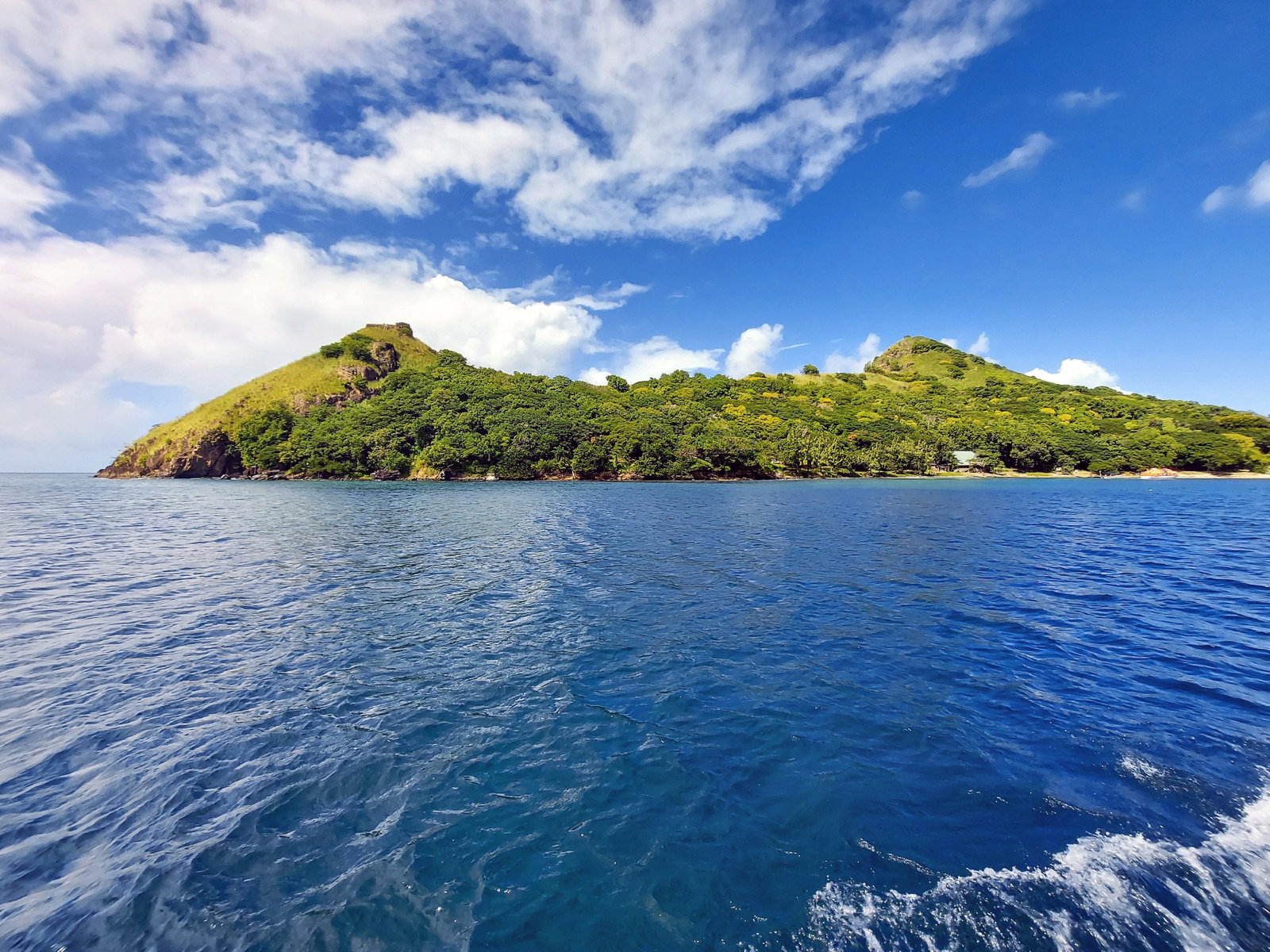
Saint Lucia is small enough to cross in a day and dense enough that you will not. The Pitons, a drive-in volcano, a west-coast harbour, and a reef you can snorkel from the sand all sit on one island about 43 kilometres long.
This is our practical list of things to do in St Lucia, with the fees, access notes, and time of day that actually change the experience. We skipped the filler.
If you are still choosing an island, start with our Saint Lucia guide, then come back here to build the days.
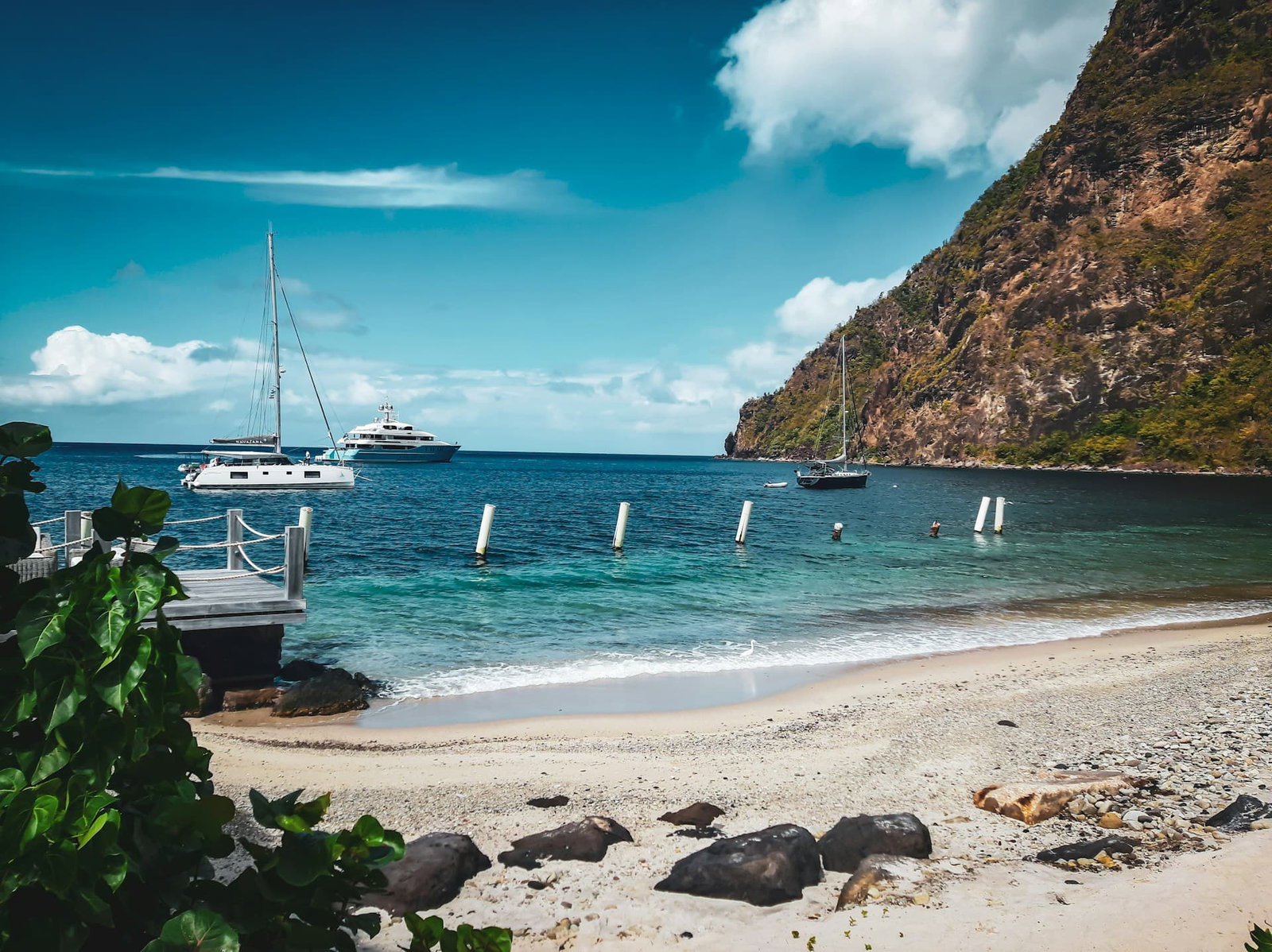
1. Hike Gros Piton
Gros Piton is the taller of the two volcanic plugs that made Saint Lucia famous, a 770-metre climb from the village of Fond Gens Libre south of Soufrière. This is the hike people mean when they say they want to do the Pitons.
Petit Piton looks sharper from the water and is a steeper, more technical scramble. We would not send a first-time visitor up that one.
The view from the top is the point. You look down on the Caribbean, across to Petit Piton, and back over the rainforest that covers the south-west of the island.
It is hard work in humid air, and it is the single best half-day we would spend here if we had to pick one.
A few practical details:
- A local guide is required. The Soufrière Regional Development Foundation sets the adult hiking fee at about US$50 (XCD 125). Confirm at the trailhead, because operators bundle transport differently.
- Plan four to five hours round trip. Start at 6am or 7am so you are off the exposed upper trail before the heat and the afternoon showers.
- Wear real shoes with grip. The rock is slick after rain, which is most of the wet season.
- The road from Castries takes roughly 90 minutes. From Hewanorra Airport it is closer to 45 minutes. A west-coast water taxi into Soufrière, then a short taxi to the trailhead, is kinder on the stomach than the winding road.
2. Soak at Sulphur Springs
Sulphur Springs sits in the Qualibou caldera above Soufrière and is sold as the world's only drive-in volcano. You do not drive into a crater of lava.
You drive to a viewing platform above bubbling mud pools and steaming vents, then walk down to mineral-rich baths if you want the messy part.
It is touristy, it smells of rotten eggs, and it is still worth an hour. The geology is real.
The mud bath is the bit people remember. Wear something you do not mind staining, and rinse before you get back in a taxi.
A few practical details:
- The combo of the volcano tour plus mud bath is about US$15 per adult. A tour-only ticket is a little less. Carry cash. Rates move, so treat that as a planning figure and pay what is posted at the gate.
- Open roughly 8am to 4pm. Go between 8am and 10.30am, before the cruise-ship coaches from Castries fill the platform.
- Combine it with Diamond Falls or Tet Paul the same morning. They sit a few minutes apart by taxi.
- Do not put your head under the water in the baths, and skip them if you have open cuts.
3. Spend an afternoon at Marigot Bay
Marigot Bay is a deep, almost hidden harbour on the west coast, about 25 minutes south of Castries. Hills wrap around a narrow entrance, yachts sit in still water, and the place has been a hurricane hole for sailors for centuries. It is calm in a way the open west coast is not.
Come for the setting and a slow lunch, not for a checklist of attractions. Walk the waterfront, take the little ferry across the bay, and stay for sunset if you can.
If you are choosing between a beach day and a harbour day, this is the harbour day.
A few practical details:
- Access is by the west-coast road from Castries, or by water taxi from Rodney Bay. There is no public bus that drops you at the water's edge in a useful way.
- You do not need a ticket to look. You will pay for a restaurant, a boat charter, or a hotel day pass if you want a lounger.
- Late afternoon is the hour. Mornings can feel quiet to the point of empty. Sunsets over the harbour mouth are the reason to linger.
- This is not the island's best snorkelling. Save the mask for Anse Chastanet.
4. Explore Pigeon Island National Landmark
Pigeon Island is no longer an island. A causeway joins it to the north coast near Gros Islet, about 18 kilometres from Castries.
The Saint Lucia National Trust looks after 44 acres of military ruins, dry forest, and two small swimming beaches. Fort Rodney at the top is the payoff, with a view north toward Martinique and south down the Rodney Bay coast.
It is the easiest history-and-view combo on the island, and it is quiet on weekdays outside festival season. The interpretation centre is often closed at weekends, so do not count on indoor exhibits.
A few practical details:
- Non-resident adults pay US$10. Children aged 5 to 12 pay US$3. Under-fives are free. A guided tour for a small group is US$20.
- Open 9.30am to 5pm daily, last entry 4.15pm. The park closes at noon on Christmas Eve and all day on Christmas Day.
- It can close in September for works, and for stretches of April and May while the Saint Lucia Jazz & Arts Festival sets up. Check the Trust before you go.
- The on-site restaurant has been through a long renovation. Bring water and a snack. Pigeon Island Beach is the place to swim after the climb, not a substitute for Reduit.
5. Snorkel Anse Chastanet
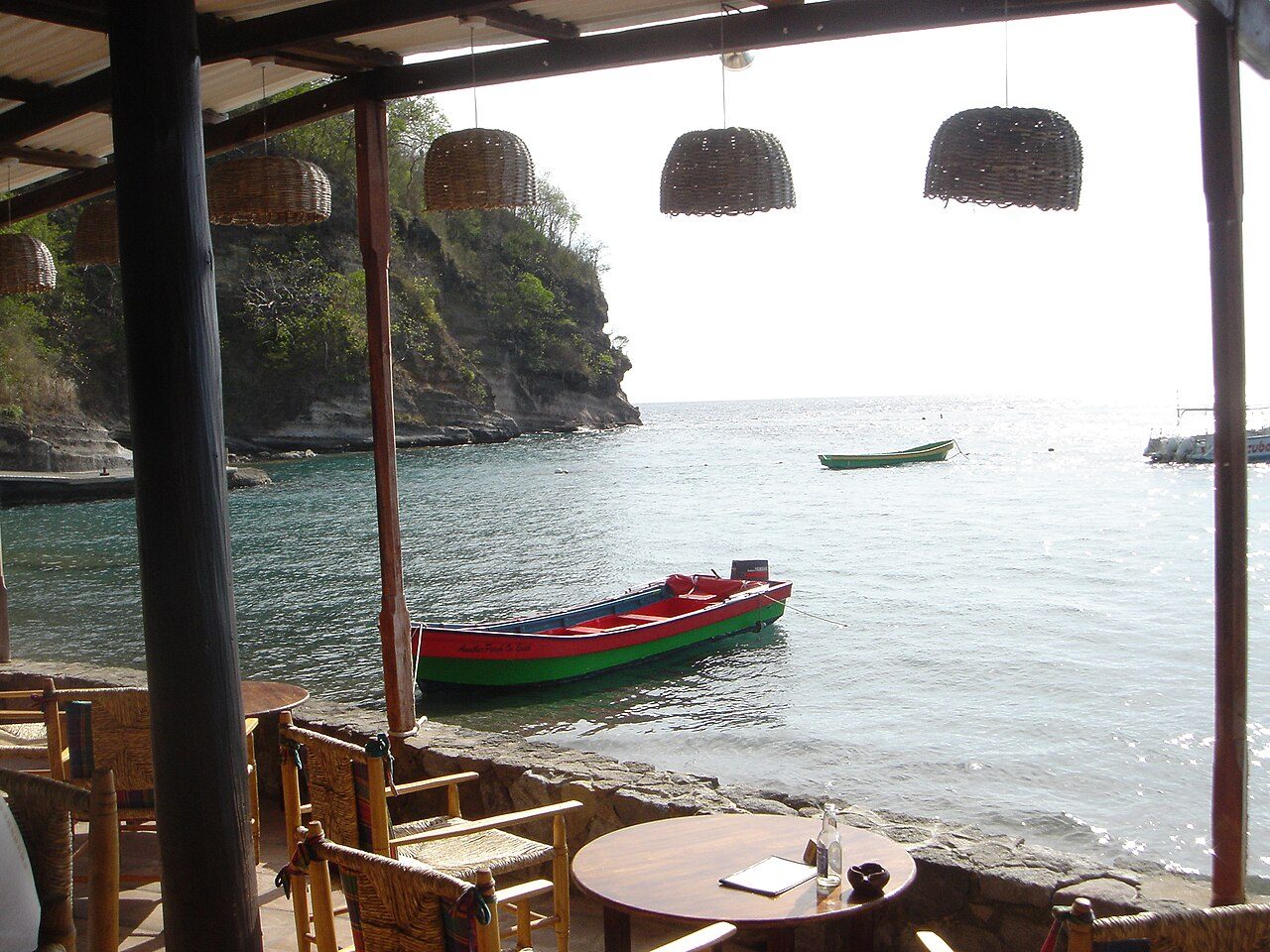
Anse Chastanet is a dark-sand cove north of Soufrière where the reef starts a few fin-kicks from the beach. That is the rare thing.
Most Caribbean "snorkel beaches" ask you to swim a long way, or to board a boat. Here the Soufrière Marine Management Area sits on the doorstep, with coral, sponges, and the usual bright reef fish in water that stays fairly calm on the west coast.
The cove is dominated by Anse Chastanet Resort and Jade Mountain above it. The sand is public to the high-water mark, as on the rest of the island.
Facilities are not. Anse Mamin, the next cove north, is quieter if you want fewer people on the same stretch of coast.
A few practical details:
- Arrive by water taxi from Soufrière, which is the sensible route, or by the steep access road. Parking is limited and the resort controls the facilities.
- Shore snorkelling is the main event. Go in the morning before the breeze chops the surface. Rent a mask at Scuba St Lucia on the beach if you did not bring one.
- There is no separate marine-park ticket for swimming from the sand. Boat dives and guided snorkel trips are priced by the shop.
- This is the Saint Lucia stop on our best snorkelling in the Caribbean list, and it is in our top 5 beaches in Saint Lucia for the same reason.
6. Wander Castries Market
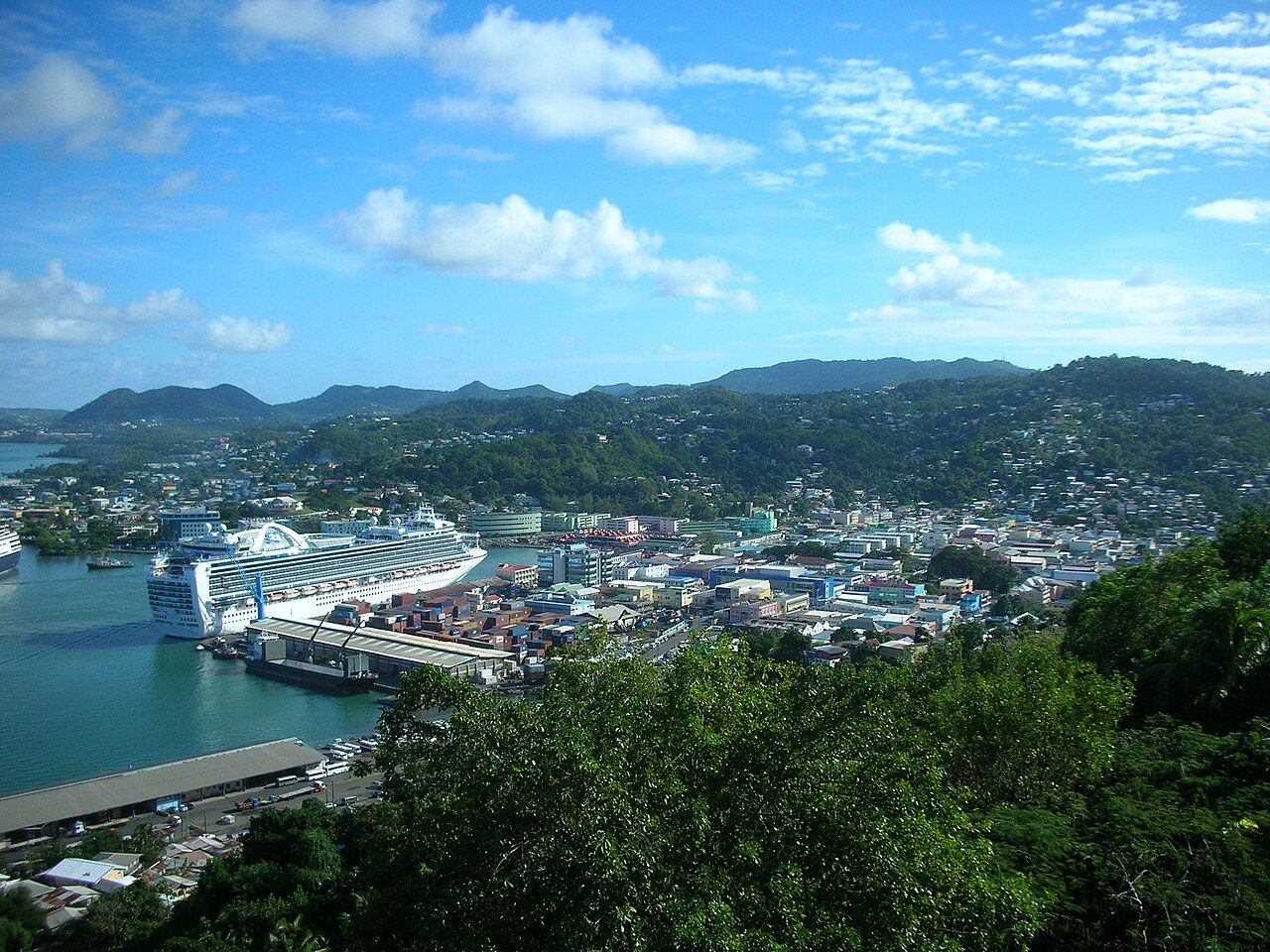
Castries is the capital, a working harbour city rather than a resort town. The market around Jeremie Street is the reason to give it a morning, especially on Saturday when produce, spices, cocoa, and crafts fill the aisles.
Derek Walcott Square and the Cathedral of the Immaculate Conception sit a short walk away. From Morne Fortune above the city you get the harbour view that ends up on postcards.
Cruise ships dock at Pointe Seraphine. On a ship day the centre is busier and more priced for day-trippers.
On a quiet weekday it feels like a small Caribbean capital, which is what it is.
A few practical details:
- Saturday morning is the market at full strength. Aim to be there by 8am or 9am, then leave before the heat sits in the streets.
- George F. L. Charles Airport is about 3 kilometres from the centre. Hewanorra is about 29 kilometres south, a much longer transfer.
- Use a licensed taxi and agree the fare in Eastern Caribbean dollars before you sit down. That is standard advice on the island, and it matters more in the capital than at a resort.
- Our Castries page has the nearby beaches and the boring-but-useful bits (plugs, emergency number, rainy-day counts).
7. Join the Gros Islet Friday street party
Friday night in Gros Islet is the island's loudest regular night out. The streets around the north-coast village fill with grills, speakers, rum, and a mix of locals and visitors from the Rodney Bay hotels.
It is not subtle. If you want grilled fish, a cold beer, and music until late, this is the easy answer.
It can feel pushy, and it is not the place for a quiet dinner. Keep your bag in front of you, do not wander down dark side streets, and use a licensed taxi back to your hotel.
The party is a few minutes from Reduit Beach, which is why so many north-coast stays end up here on Friday.
A few practical details:
- It gets going after 8pm and runs late. Eat before 10pm if you want a seat at a grill.
- There is no ticket. You pay stall by stall, usually in cash.
- Anse La Raye's Friday fish fry, further south, is the calmer alternative if Gros Islet sounds like too much. We cover that separately below.
- Gros Islet does not have its own AtoBeach city page yet, so we are not linking one.
8. Walk Diamond Falls Botanical Gardens
Diamond Falls is a mineral waterfall on the old Soufrière Estate, stained yellow, green, and orange by the same volcanic chemistry as Sulphur Springs. You come for the gardens, the history of the estate, and a soak in the outdoor mineral baths. You do not swim at the falls themselves.
It is a gentler Soufrière stop than Gros Piton or the mud baths, and it pairs well with both. If someone in your group does not want a hard hike, send them here while the rest of you climb.
A few practical details:
- Garden entry is about US$7. The mineral baths are extra, about the same again. Cash at the gate is the safe assumption.
- Late morning to mid-afternoon works. The gardens want daylight. Combine with Sulphur Springs rather than treating it as a full-day plan.
- The estate sits a short taxi ride from Soufrière town. There is no useful water-taxi drop at the gate.
- Wear a swimsuit under clothes if you want the baths. The water is warm, not a hot spring you cannot sit in.
9. Hike Tet Paul Nature Trail
Tet Paul is the short, guided loop people should do when Gros Piton is too much and a viewpoint is still the goal. It sits in the hills above Soufrière, takes 45 to 60 minutes, and looks straight at both Pitons and out to sea.
Guides talk through plants, farm plots, and the view. The path is easy to moderate, with some steps.
If we could only hike once with mixed fitness in the group, this would be the hike, not Gros Piton.
A few practical details:
- Adults pay US$10, children 12 and under US$5, babies in carriers free. The price includes a guide.
- Open 8am to 5pm daily. Start before 10am for clearer views and less heat.
- It is about 10 minutes by taxi from Soufrière town, and a natural pairing with Fond Doux plantation next door.
- You do not need hiking boots. You do need shoes you can walk uphill in, not hotel flip-flops.
10. Sail the west coast by catamaran or water taxi
The west-coast road between Castries and Soufrière is slow, steep, and scenic in a carsick way. The water is the better corridor.
A full-day catamaran from Rodney Bay typically runs down to Soufrière with a snorkel stop at Anse Cochon, a look at the Pitons from the deck, and lunch on board. A water taxi is the point-to-point version if you are based in Soufrière and want to hop beaches.
This is how a lot of visitors actually see the island, and it is one of the few days that combines swimming, views, and transport without a hire car.
A few practical details:
- Catamarans leave Rodney Bay in the morning and return late afternoon. Book the day before in December to April.
- Water taxis on the Soufrière coast handle Anse Chastanet, Sugar Beach, and Anse Cochon. Agree the fare before you board, same rule as land taxis.
- Sit on the shade side, wear a rash guard, and assume you will get wet on the snorkel stop.
- If you are flying into Hewanorra and staying in the north, this day sail is a better "see the Pitons" plan than driving yourself on day one.
11. Zip-line the rainforest
The interior of Saint Lucia is wetter than the coast, and the canopy is the way most visitors touch it. Rainforest Adventures at Chassin, in the hills east of Castries, is the established aerial-tram and zip-line operation.
You ride through the trees, then (if you add it) slide the lines. It is a half-day from Rodney Bay, not a Soufrière add-on.
Go for the height and the forest, not because you need another adrenaline tick. On a rainy morning the tram is still worthwhile. The zip lines are less fun in a downpour.
A few practical details:
- Book ahead. Morning slots beat the heat and the more reliable afternoon showers of the wet season.
- Transfer time from Rodney Bay is about 45 minutes. From Soufrière it is a longer, less logical trip. Stay north for this one.
- Wear closed shoes and expect to get humid, not elegant.
- Prices sit in the typical Caribbean zip-line range and change with packages. Confirm whether the tram, the lines, or both are in the ticket.
12. Swim at Reduit Beach
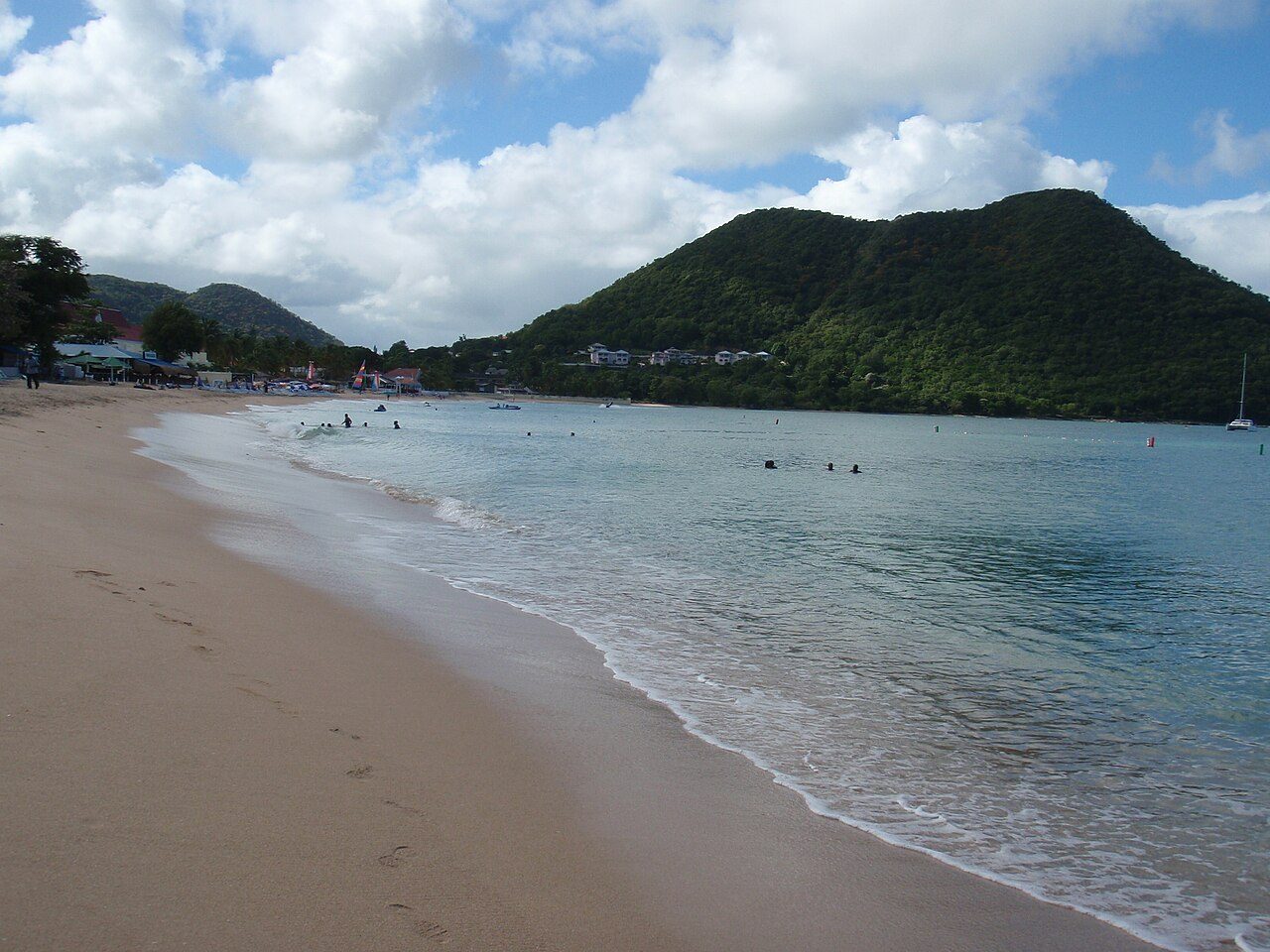
Reduit Beach is the long, pale stretch that fronts Rodney Bay in the north. It is the easiest swimming beach on the island.
The water is calm, hotels and restaurants sit behind the sand, watersports are on offer, and Gros Islet is a walk away. It will not give you a Piton on the horizon.
It will give you a place to actually spend a full beach day without a boat.
If your trip is based in the north, this is your default morning. Save the south-west coves for a dedicated day.
A few practical details:
- The beach is public. Hotels charge for their chairs and service, not for the sand.
- Mornings are quieter. Trade winds pick up later. The bay stays more swimmable than the Atlantic side of the island, which is not a swimming coast.
- Licensed water-sports desks handle jet skis and sailing. Walk a few minutes north or south if one patch feels crowded.
- We rank it first in our top 5 beaches in Saint Lucia for practicality, not for drama.
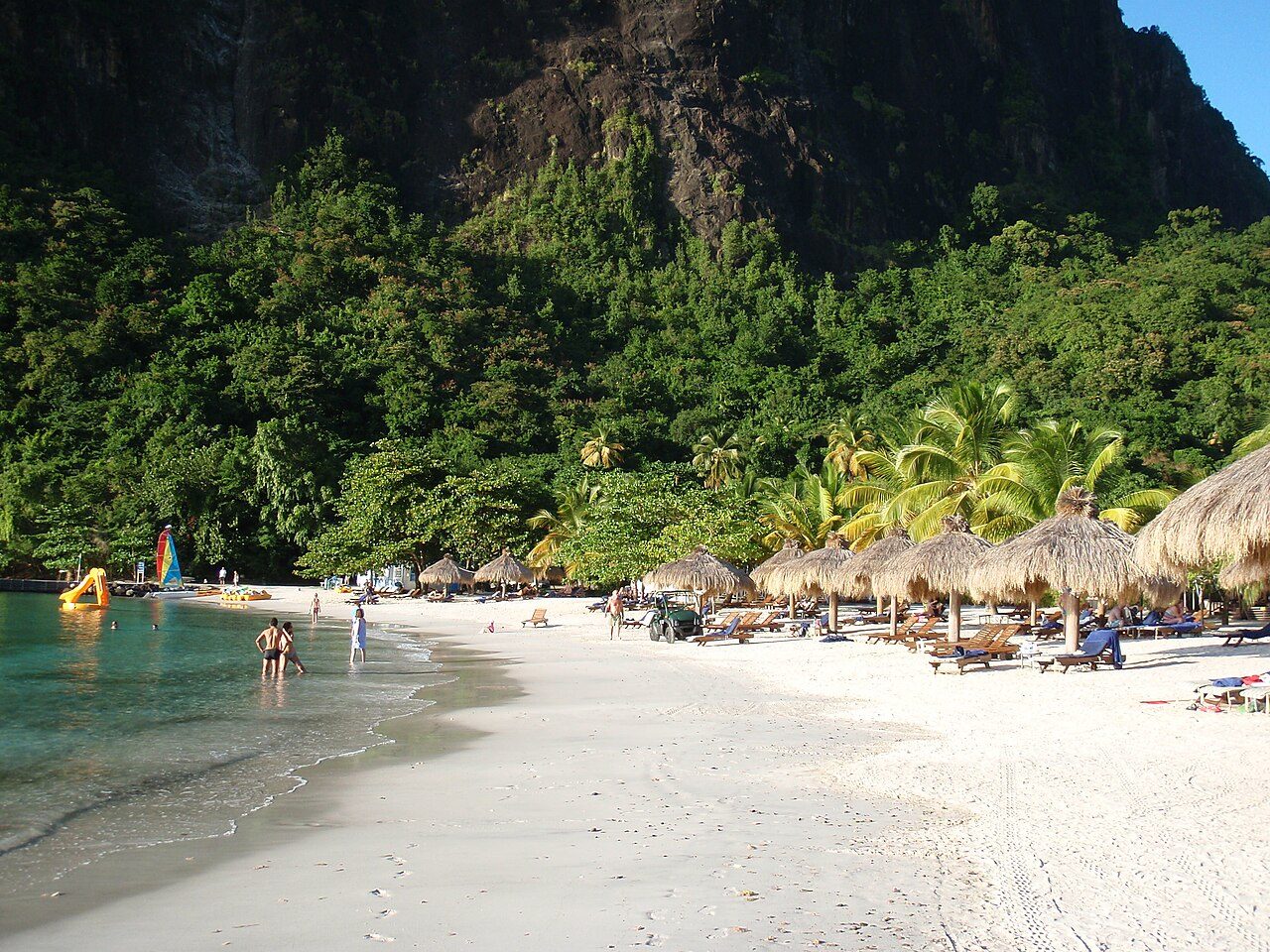
13. Sit on Sugar Beach between the Pitons
Sugar Beach is the cove between Gros Piton and Petit Piton. Older maps call it Anse des Pitons or Jalousie.
The sand is paler than Anse Chastanet, the view is the one on the country page, and the resort (Sugar Beach, a Viceroy property) occupies the back of the beach. This is the photograph. It is also a faff to reach compared with Reduit.
Day visitors can get there. The resort controls the comfortable version of the day.
A water taxi from Soufrière is how most non-guests arrive. The marine reserve off the beach is the snorkelling, not the sand itself.
A few practical details:
- There is no simple public car park with a short stroll. Expect a water taxi, a steep resort road, or a booked day pass.
- Go early if you want space on the sand. Afternoon light on the Pitons is the photograph, so plenty of people time the opposite.
- Snorkel on the reef at the edges of the cove, not on the seagrass in the middle. Jellyfish turn up some days. Ask the beach staff.
- Sugar Beach and Anse des Pitons are the same bay. We treat them as one place in the beach guide rather than two.
14. Eat at the Anse La Raye Friday fish fry
Anse La Raye is a fishing village on the west coast between Castries and Soufrière. Friday night the waterfront grills fish, lambi, and chicken, and the village puts out tables.
It is smaller and less of a scene than Gros Islet. If Friday night is the plan and you want dinner more than a street party, come here.
You are in a real village, not a resort entertainment strip. Be polite, pay fairly, and do not treat the grill cooks as a photo set.
A few practical details:
- Friday from early evening. You do not need a reservation for the street grills. Restaurants on the waterfront fill up, so those are worth booking.
- Cash in XCD or US dollars. Change often comes back in Eastern Caribbean dollars.
- It is about 30 minutes south of Castries by road. A taxi that waits, or a booked return, is simpler than hoping for a minibus late at night.
- Combine with a west-coast afternoon at Marigot Bay, which is on the way.
15. Tour Fond Doux plantation
Fond Doux is a working cocoa estate in the hills near Soufrière, still growing and processing cocoa the slow way. A guided walk takes you through the trees, the drying sheds, and the history of the plantation.
Lunch, if you add it, is Creole food on the estate rather than a hotel buffet.
It is the best "this is how the island works" morning we would book, and it sits next to Tet Paul, which makes an easy pairing. If your trip is all beaches and viewpoints, this is the one that adds a bit of ground.
A few practical details:
- Book the tour rather than turning up unannounced, especially in high season. Allow about an hour for the walk, longer with lunch.
- Morning is cooler in the trees. Afternoon rain in the wet season is common inland even when the coast stays dry.
- It is a short taxi from Soufrière or from the Tet Paul trailhead. Not a water-taxi destination.
- Wear shoes you can walk a farm path in. This is not a polished garden in the Diamond Falls sense.
How to move between these
Two airports split the island. Hewanorra (UVF) in the south takes most long-haul flights.
George F. L.
Charles (SLU) in Castries takes regional ones. A hire car is useful if you like driving on the left on steep roads.
A temporary driving permit is required, and most hire desks can arrange it. Plenty of visitors skip the car and mix licensed taxis with one west-coast boat day.
The best time to visit Saint Lucia is the other half of this plan. December to April is drier and busier.
May, June, and November are the value months. Hurricane season is real from June to November, with the peak in August to October.
Frequently asked questions
What are the best things to do in St Lucia?
If you have three days, hike Gros Piton or Tet Paul, snorkel Anse Chastanet, and spend a late afternoon at Marigot Bay or Pigeon Island. Add Sulphur Springs only if you like a slightly odd, slightly crowded natural attraction.
The beaches are covered in our top 5 beaches in Saint Lucia.
What to do in St Lucia for a week?
Split the week north and south. Three nights around Rodney Bay for Reduit Beach, Pigeon Island, the rainforest zip-line, and a Friday night.
Three or four nights near Soufrière for the Pitons, Sulphur Springs, Diamond Falls, Anse Chastanet, and Fond Doux. Use a catamaran or water taxi on the day you switch coasts.
What to do in Castries, St Lucia?
Give it a morning, not a stay, unless your hotel is there. Saturday market, the cathedral, and the view from Morne Fortune are the useful trio.
Vigie Beach is the nearest named beach. Details sit on our Castries page.
What to do in Marigot Bay, St Lucia?
Eat, sit, and look at the harbour. Charter a small boat if you want to be on the water.
It is a setting, not a sightseeing circuit. Pair it with the Anse La Raye fish fry on a Friday.
What not to do in St Lucia?
Do not drive the west-coast road at night if you can avoid it. Do not hike Gros Piton in the middle of a wet afternoon.
Do not leave valuables on a quiet beach. Do not wear camouflage clothing, which is illegal.
Do not assume every "taxi" is licensed. Agree fares before you start.
How do I get to St Lucia?
Most visitors fly into Hewanorra in the south. Regional flights and some Caribbean hops use George F.
L. Charles in Castries.
There is a ferry from Martinique (L'Express des Iles) into Castries if you are island-hopping from the French Antilles. There is no tourist car ferry in the US Virgin Islands sense.
Found a mix you like? Tell Atlas, our trip-planning chat, your dates and whether you want to be based in the north, the south-west, or both, and it will look at flights and stays.
Saint Lucia sits at the top of our best islands in the Caribbean list for a reason. The beaches that match this list are in our best beaches in the Caribbean round-up, and the month-by-month call is in the best time to visit the Caribbean.