Things to Know Before Visiting the US Virgin Islands

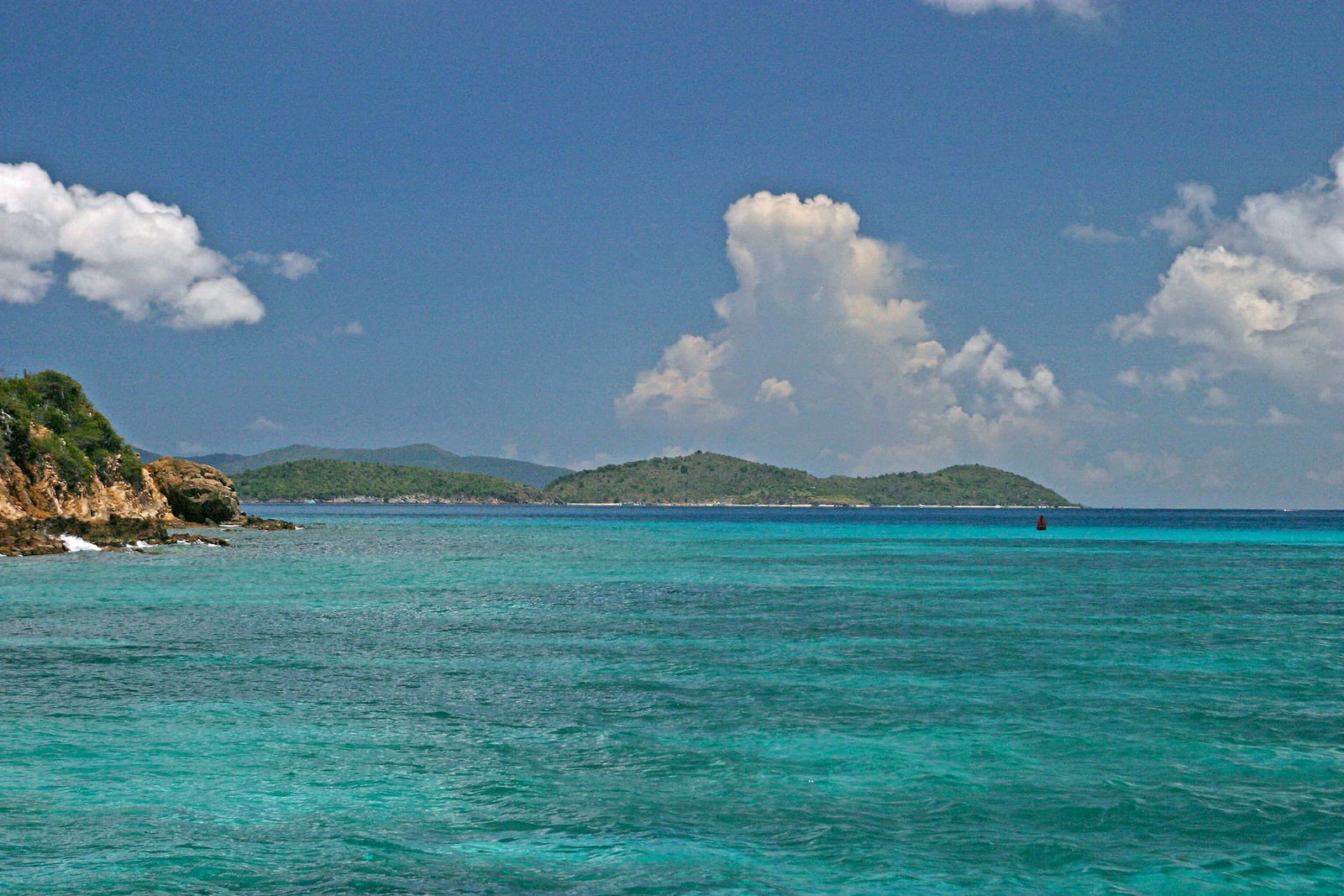
The US Virgin Islands are the Caribbean with the friction removed, if you are American, and a fairly standard US trip, if you are not. No passport for US citizens, US dollars, US phone plans that mostly just work, and then one enormous curveball: everybody drives on the left.
This is the practical briefing for St. Thomas, St. John, and St. Croix in one place. The scenery case is made in our US Virgin Islands guide.
Quick facts
- Three main islands: St. Thomas (busy, main airport), St. John (national park, ferry-only), St. Croix (big, quiet, 40 miles south).
- Currency: the US dollar. Cards everywhere, US banks' ATMs common.
- Language: English.
- Time zone: Atlantic Standard Time, UTC-4, no daylight saving. One hour ahead of US Eastern in winter, level in summer.
- Plugs: standard US 110V sockets. UK visitors need the usual US adapter.
- Emergency number: 911.
The passport question, answered properly
- US citizens flying from the mainland: no passport needed. A government-issued photo ID (REAL ID compliant for domestic flying) does it, because the USVI is US territory. This is the islands' superpower for last-minute trips.
- Everyone else: normal US entry rules apply, passport, ESTA or visa included. Arriving from the UK is exactly like flying to Miami, then onwards.
- The catch: hop across to the British Virgin Islands (Jost Van Dyke's beach bars are 40 minutes away) and you have left the US. That day trip needs a passport for everyone, US citizens included.
Driving on the left, in American cars
The USVI drives on the left, a Danish-era habit that survived the 1917 handover, in ordinary left-hand-drive US cars. It sounds chaotic and works fine, but treat your first day gently:
- "Car rental US Virgin Islands" is one of the most-searched phrases about the territory for a reason: demand outstrips supply in high season. Book the car when you book the flights.
- Roads are steep, narrow, and wriggly, especially St. John, where a 4x4 is the right call, and St. Thomas's north side. Allow double your map-app instinct.
- Taxis are shared, per-person, route-priced "safari" trucks on the big islands. Agree the fare before boarding; rates are officially published.
- Skipping the car entirely works on St. Thomas (taxis + ferries) and St. John (taxi-jeeps along the north shore). St. Croix genuinely wants a car.
Island-hopping logistics
- Red Hook (St. Thomas) to Cruz Bay (St. John): about 20 minutes by ferry, roughly hourly. The essential hop; details in our St. John guide.
- St. Thomas to St. Croix: about 25 minutes by island-hopper flight or seaplane. No regular passenger ferry to rely on.
- To the British Virgin Islands: scheduled ferries from Charlotte Amalie and Red Hook (passport!).
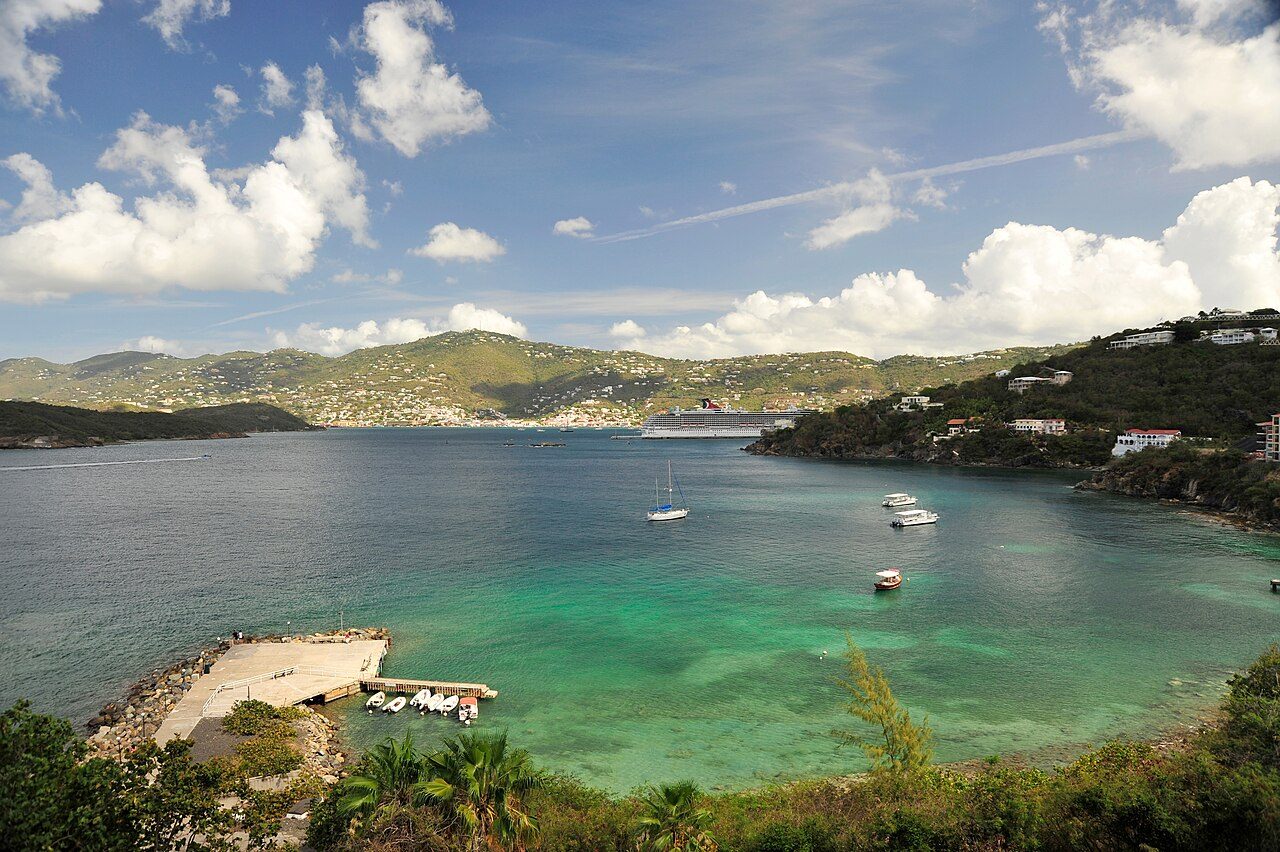
- Cruise passengers: ships dock at Charlotte Amalie (St. Thomas) and occasionally Frederiksted (St. Croix). Our St. Thomas list has a cruise-day game plan.
Money, costs, and small print
- Prices sit at or above mainland-US levels: most things arrive by ship. Groceries surprise people; local food trucks and roadside spots are the value play.
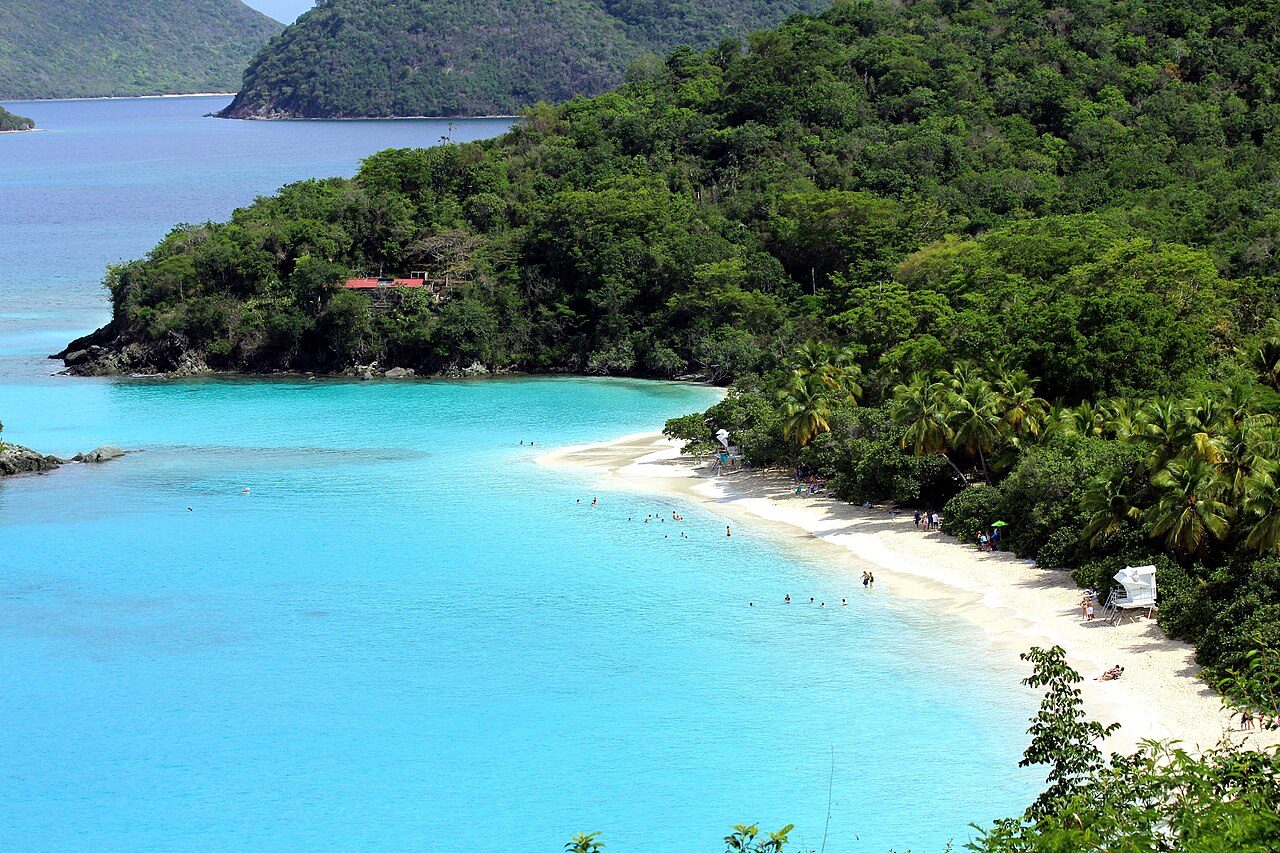
- Beach access is free by law, but the managed parks (Magens Bay, Trunk Bay, Lindquist) charge small entry fees that are worth every cent.
- Tipping is US-style: 15 to 20 per cent in restaurants.
- US phone plans usually treat the USVI as domestic, but verify roaming terms before you fly. UK visitors should sort an eSIM: the Saily panel on our destination guides has plans, and code ATOBEACH takes 10% off (setup steps in our Saily post).
- The US duty-free allowance from the USVI is unusually generous, which explains Charlotte Amalie's jewellery arcades. Keep receipts.
Weather and when to come
- High season is December to April: driest, busiest, priciest.
- Hurricane season runs June to November, peaking August to October. Summer trips are cheaper and mostly lovely; book flexible rates and real insurance for the peak months.
- Water is swimmable all year. Winter swell can stir the north-side beaches; the south and east coves stay calm.
- The regional month-by-month picture is in our best time to visit the Caribbean guide.
Health, safety, and etiquette
- The visitor areas are relaxed and well-trodden. Standard rules: taxis at night in Charlotte Amalie, nothing valuable left in cars or on beaches, local advice respected on empty beaches.
- Tap water is generally cistern or desalinated; most visitors drink bottled or filtered.
- Sun and mosquitoes are the actual hazards. Reef-safe sunscreen is both polite and, on some beaches, expected.
- Greet people. "Good morning" before any question is basic manners across the territory and gets you better answers everywhere.
Frequently asked questions
Do you need a passport for the US Virgin Islands?
Not as a US citizen arriving from the US: photo ID suffices, it is domestic travel. International visitors need standard US entry documents. A BVI side-trip needs a passport for everyone.
Is the US Virgin Islands part of the United States?
Yes, an unincorporated US territory since 1917: US dollars, US law, US phone plans, no customs on the way home for citizens (just that generous duty-free allowance).
Which US Virgin Island is best?
St. Thomas for first trips and convenience, St. John for nature, St. Croix for snorkelling and quiet. The full head-to-head is our St. Thomas vs St. Croix comparison.
Why do they drive on the left?
A holdover from Danish colonial rule that the US takeover never changed. In left-hand-drive cars, it is objectively silly and works anyway. Drive slowly on day one.
What time zone is the USVI in?
Atlantic Standard Time, UTC-4, all year: no clock changes, one hour ahead of New York each winter.
That is the practical layer done. The fun sits in our St. Thomas, St. John, and St. Croix snorkelling guides, and the territory's ranking argument is in best islands in the Caribbean.
Ready to book? Tell Atlas your dates and which island fits, and it will pull flights and stays together. Overview at US Virgin Islands.